
美國政府一再以最終推翻古巴政權為名,對古巴經濟實施新制裁。儘管島上情況持續惡化,古巴政府並未顯示屈服跡象。
《POLITICO》「國家安全日報」(NSD)報導,在華盛頓古巴大使館接受訪談時,古巴實質大使里維拉(Lianys Torres Rivera)表示,儘管美國針對被指控與古巴軍方及統治階級有關聯的古巴企業實施大量針對性制裁,該島仍致力於就政策分歧進行談判。然而,里維拉指出,該國政治制度的改變仍不在談判範圍內,「我們仍致力於在某個時刻進行廣泛對話,處理雙方感興趣的議題」,並補充道:「始終尊重古巴的主權與我們的獨立,且不干涉其所選擇的經濟、政治和社會制度。」
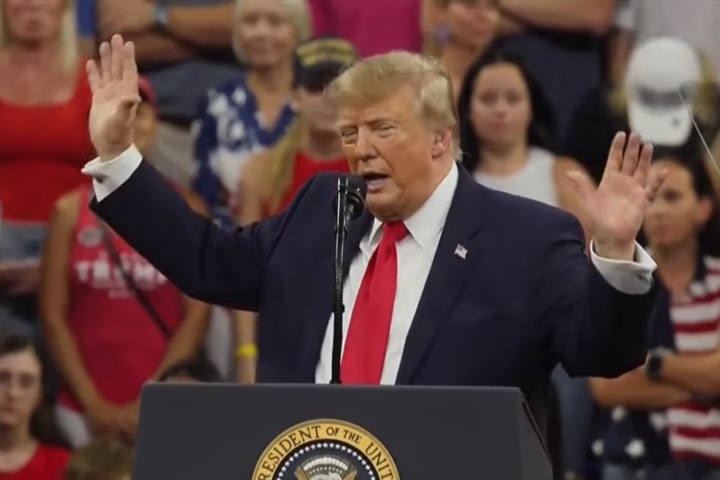
🇺🇲 🇨🇺 President Donald Trump has raised the prospect of sending American warships to Cuba's coast following military operations against Iran, while Secretary of State Marco Rubio is openly urging Cubans seeking political change to establish discreet partnerships with the CIA, a striking combination of military pressure and intelligence outreach directed at Havana. Speaking at a campaign rally in Florida, Trump suggested that American warships returning from the Middle East could position themselves just off Cuba before Rubio is sent to negotiate with the Cuban government. “We'll have one of them stop about 50 yards off the coast. They'll raise up their hands. And then we're going to send Marco Rubio in to finish up the deal,” Trump told supporters. Rubio, meanwhile, issued an explicit public appeal for cooperation with American intelligence services. “To those who seek to create positive change in Cuba, now is the time,” he wrote, pointing to corruption, broken promises and the privileges enjoyed by a small ruling elite. He encouraged those seeking change to pursue what he described as a “discrete partnership with the CIA.” The developments come as Cuba faces a severe economic and energy crisis, compounded by American restrictions on oil supplies and growing uncertainty over the island's political future. Washington has maintained contacts with Cuban officials, but those discussions have not produced a comprehensive agreement. The administration has framed Cuba's economic and political difficulties as an opportunity to press Havana for concessions. With the United States still managing the consequences of its military confrontation with Iran, Trump is publicly contemplating a naval demonstration near another country whose government Washington has sought to pressure for decades. No deployment of American warships to Cuban waters has been formally announced, and Rubio's statement does not establish that a new CIA operation has begun or that Cuban officials have agreed to cooperate. Nevertheless, the administration is now openly combining the prospect of military pressure, intelligence recruitment and diplomatic negotiations in its approach to Cuba.. https://t.co/2ck0AH3zMw
— The Tectonic (@thetect0nic) October 23, 2026
川普(Donald Trump)政府正透過加大壓力回應里維拉等高級官員的此類說法。川普上周末重申,他仍希望看到古巴政權被趕下台,表示他將「處理古巴」,並預測古巴人民「舉起雙手,然後我們將派遣國務卿盧比奧(Marco Rubio)進去完成任務」。川普在造勢場合表示,美國在處理完中東(如伊朗)相關事務後,軍艦可能會順道前往古巴「順理成章處理古巴問題」,暗示不排除採取軍事或強力介入。
美國也正在遊說各國在本周聯合國投票反對一項譴責其對古巴禁運的決議。上周,盧比奧呼籲古巴人與中央情報局(CIA)建立緊密的合作夥伴關係,此舉被視為試圖以秘密行動的幽靈恐嚇古巴政府。美國國務院未立即回應《POLITICO》的置評請求。
與此同時,古巴裔美國議員堅持認為哈瓦那的末日近了,並呼籲政府貫徹執行。佛羅里達州共和黨眾議員迪亞斯-巴拉特(Mario Díaz-Balart)上周末接受南佛羅里達電台《WPLG》採訪時表示,「很明顯,他們不會接受這個對美國人謀殺負責的毒品恐怖主義政權不受懲罰地存在」,並再次預測當川普在2029年卸任時,古巴政權將不復存在。
里維拉強調「古巴並不感到孤單」,儘管美國努力在國際上孤立它,仍與拉丁美洲其他國家保持良好關係。但她承認,壓力對普通古巴人影響嚴重,涉及「醫療保健、食品生產與分發,以及運輸」。在古巴,停電和民生物資短缺已成為日常生活的普遍部分,疾病爆發和重要社會服務崩潰亦然。里維拉說古巴人所經歷的是一種「懲罰」,而且是「不公正」的懲罰。
「古巴政府被歸咎為古巴的問題,但如果政府如此效率低下,為什麼你必須每周宣布制裁?」里維拉辯稱「如果你必須虐待某人來證明他們無能或無效,那麼現實是他們並非如此,但隨後你懲罰並扼殺他們直到他們無法呼吸,以便宣告勝利」。